
Specs from the maker, not adjectives
Resolution, field of view, night vision range, battery and storage come straight from the manufacturer's data. If a figure is not published, we say so rather than guess.
Camera Company sells dash cams, indoor and outdoor security cameras, webcams, kids cameras, tripods, bags and cleaning kits for New Zealand homes, cars and desks. Resolution, field of view, battery life and storage are listed on every product page.

A camera is only useful if it records what you need, when you need it. We list the facts that decide that, so you can compare like with like.
Resolution, field of view, night vision range, battery and storage come straight from the manufacturer's data. If a figure is not published, we say so rather than guess.
A dash cam, a camera for the back door, a webcam for meetings and a first camera for a child are different products. Each category page explains what matters for that use.
Infrared, colour night vision, person and vehicle detection and motion zones are listed per camera, so you know what will wake you at 2 am and what will not.
Battery, solar and 4G options for outdoors, a power point or USB indoors, 12 V for the car. The power method and any cable or adapter in the box are on every page.
Card type, maximum card size and whether a card is included are listed, along with cloud options where the maker offers them.
Not what you expected? Send it back within 14 days in resaleable condition for a full refund, on top of your Consumer Guarantees Act 1993 rights.
A starting point in each part of the range. Compare the rest by resolution, field of view, battery and storage on the shop page. Free NZ-wide delivery on orders over $175.


Lenses, mounts, screens and ports, photographed by the makers. Full specifications are on each product page.

1080p is enough to record what happened in front of you in daylight. 2K (1440p) and 4K keep more detail at a distance and in low light, which is what you need to read a number plate from a few car lengths back. Higher resolution fills a memory card faster, so the product page lists both the resolution and the largest card the camera accepts.
Most home security cameras connect to a 2.4 GHz WiFi network, and some also use 5 GHz. 4G models take a SIM card instead, which suits sheds, farms and holiday homes with no WiFi. Battery and solar cameras still need a signal to send alerts to your phone. The product page says which connection each camera uses.
Recording the road from your car is common and dash cam footage is routinely used after a crash. Recording audio, filming inside someone else's property or recording in private places is covered by New Zealand privacy and criminal law. We sell cameras, we are not lawyers. Read the Privacy Commissioner's guidance on cameras before pointing one at anything other than your own property.
Some dash cams and kids cameras ship with a card, and the product page says so under what is in the box. Where none is included, the page lists the card type and the maximum size the camera supports, so you can buy the right one.
The webcams here plug into a USB port and work without extra software on Windows, macOS and ChromeOS, and with Zoom, Teams, Google Meet and the usual streaming apps. Check whether the cable is USB-A or USB-C against the ports on your computer. The product page lists resolution, frame rate, field of view and whether the microphone is built in.
Yes. We deliver to every region, including regional and rural addresses. Delivery is free on orders of $175 or more and a flat $20 under that. Remote areas can take a few days longer.
Send it back within 14 days of delivery, in resaleable condition with its packaging and accessories, and we refund the price you paid including standard delivery. That is on top of your Consumer Guarantees Act 1993 rights if anything arrives faulty.
Each kids camera lists the maker's age range and what is in the box on the product page. They are toys first and cameras second, so expect simple controls and games rather than sharp photos. Supervise young children with any lanyard or small accessory.
A camera is a tool for a job, and the job decides the camera. A dash cam has to record the road in all light and survive a hot windscreen. A security camera has to see at night, run on whatever power the spot offers and tell you when something moves. A webcam has to make you look clear in a meeting. This guide walks through each type and the figures worth reading on the product page.
Write down what you want the footage for. Evidence after a crash, a look at the back door from your phone, a clearer face on video calls, a child's first camera, or a probe into a blocked drain. Each of those points at one category, and inside the category only three or four numbers really separate one product from the next.
Channels. A single-channel dash cam records the road ahead. Dual-channel adds a rear camera, which is what you want for rear-end collisions. Three and four-channel models add the cabin and sides, and suit rideshare and delivery drivers.
Resolution and night performance. 1080p is fine for daylight. 2K and 4K hold more detail at distance and after dark, which is when a number plate matters most. Sensors such as STARVIS are made for low light. Resolution also decides storage: 4K footage fills a 64 GB card in a few hours of driving, and the camera then loops over the oldest clips.
Parking mode, GPS and WiFi. Parking mode wakes the camera on impact when the car is off, which usually needs a hardwire kit. GPS stamps speed and location onto the footage. WiFi lets you pull a clip to your phone without removing the card.
Indoor or outdoor. Outdoor cameras carry a weather rating (IP65 and IP66 are common) and work in heat and rain. Indoor cameras are smaller, often pan and tilt, and double as pet and baby cameras.
Power. Mains cameras need a socket or a long cable run. Battery cameras go anywhere and recharge every few weeks or months depending on how often they record. Solar panels keep a battery camera topped up in a sunny spot. 4G cameras use a SIM card where there is no WiFi at all.
Night vision and detection. Infrared night vision records in black and white in the dark. Colour night vision uses a spotlight or a more sensitive sensor. Person and vehicle detection cuts the false alerts from trees and cats. Two-way audio lets you speak through the camera.
Storage. Most cameras record to a microSD card in the camera; the maximum size is listed. Many also offer a paid cloud plan, which is optional. Check which the maker provides before you count on it.
Resolution and frame rate. 1080p at 30 frames per second is the standard for meetings. 60 frames per second looks smoother for streaming. 2K and 4K give you room to crop and stay sharp on a large monitor, though most meeting apps send 1080p or less.
Autofocus, light and microphone. Autofocus keeps you sharp when you lean in. Light correction and built-in ring lights help in a dim room. Dual microphones with noise reduction are enough for calls; a separate microphone still sounds better for recording.
Field of view and privacy. A narrow field (around 60 to 80 degrees) frames one person. A wide field (90 degrees and above) takes in a group or a whiteboard. A sliding privacy cover is worth having on any camera that lives on your monitor.
Kids cameras are toys with a lens: check the age range, the case, whether a card is included and whether it prints instantly on thermal paper.
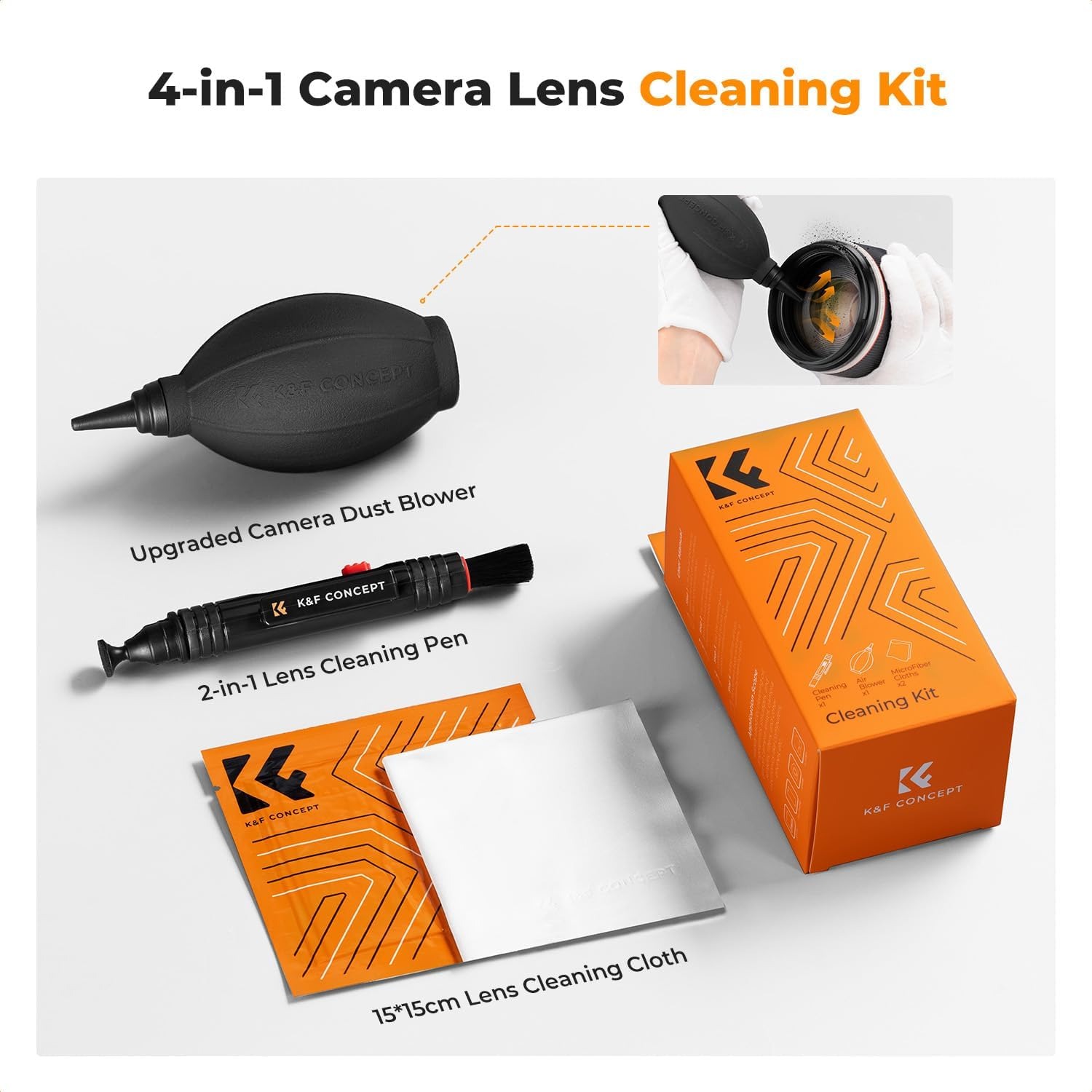
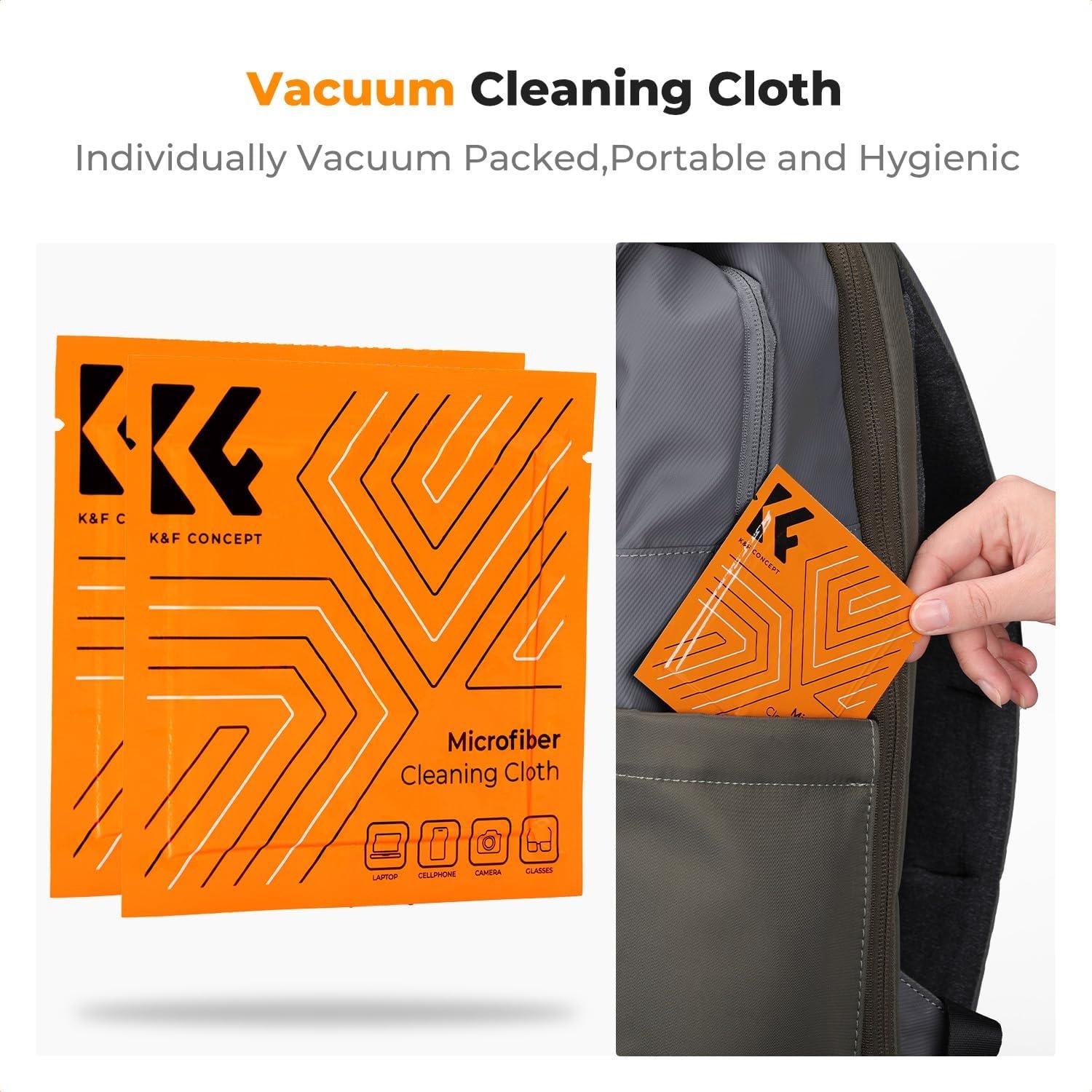
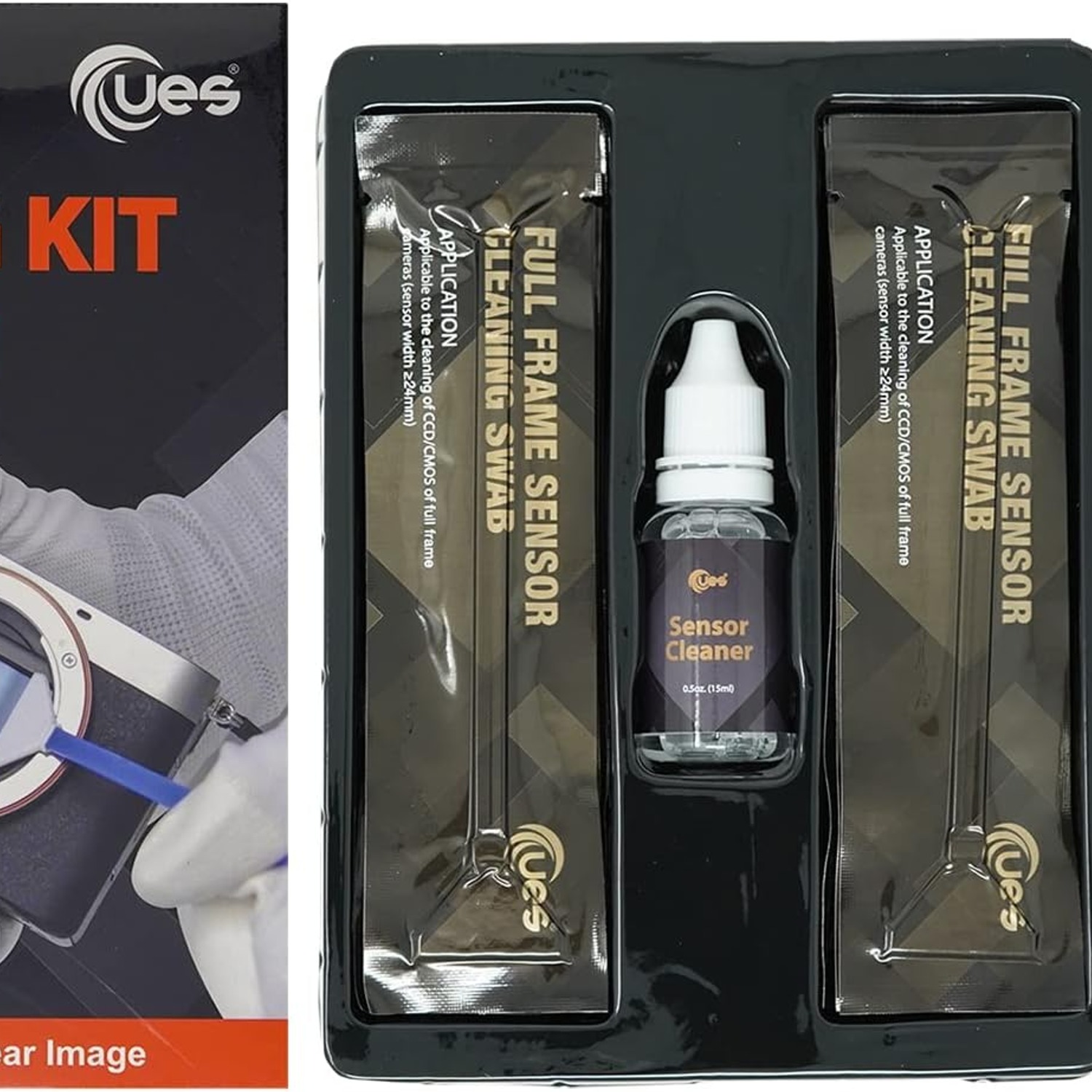
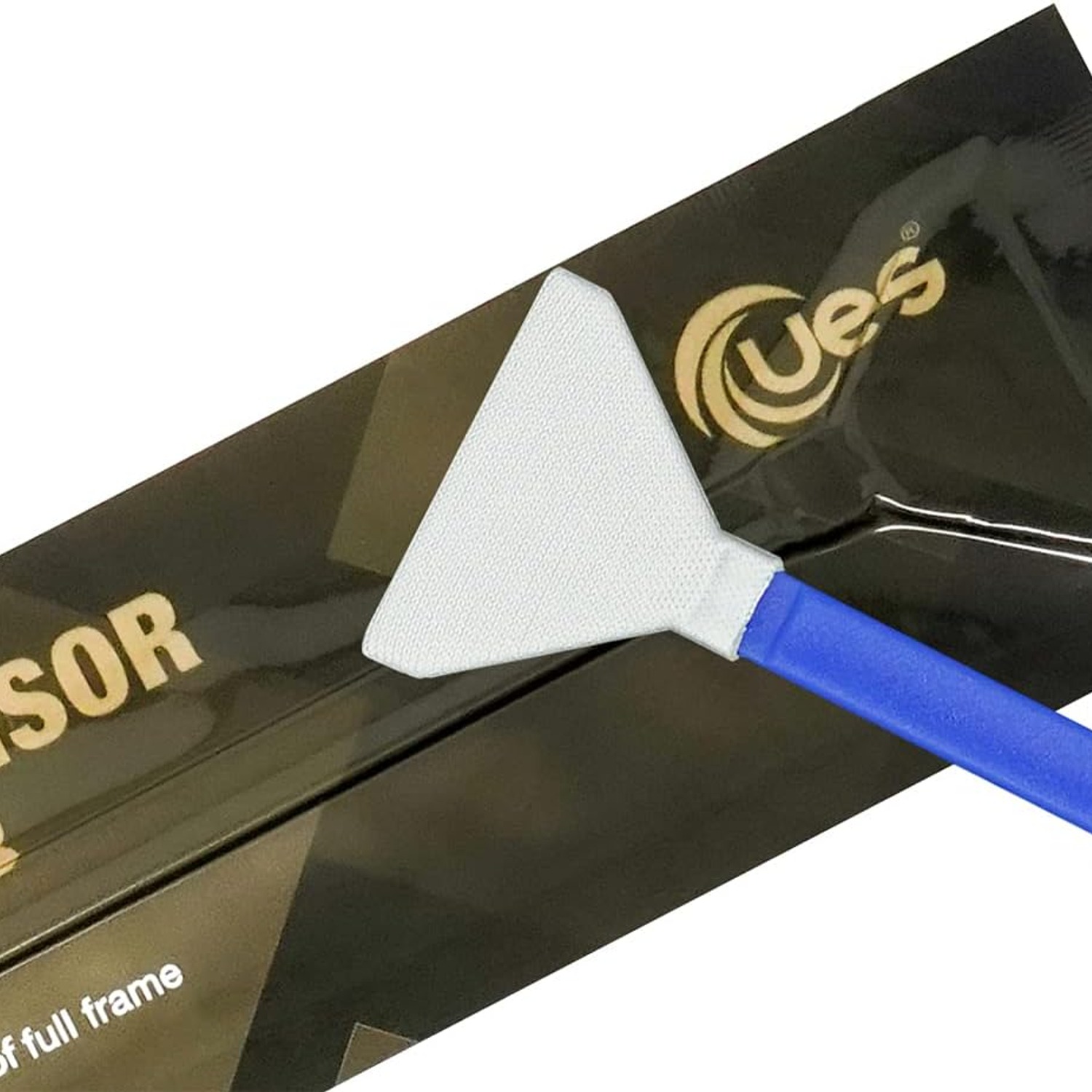
For a tripod, read the maximum height, the folded length and the load rating against the weight of your camera and lens. For a bag, read the internal dimensions and whether the dividers move. A basic cleaning kit (air blower, lens pen, microfibre cloth and sensor swabs for interchangeable-lens cameras) protects the glass you paid for.
Dash cams and security cameras write constantly, so they need a high-endurance card rated for continuous recording. Ordinary cards wear out quickly in that duty. The product page lists the card type and maximum size the camera accepts; buy a card from a known maker and format it in the camera before first use.
Dash cam footage of the road is widely used after accidents and by insurers. Recording audio, and recording areas that are not your own property, is covered by New Zealand privacy and criminal law. Point security cameras at your own entrances and yard, tell visitors and workers that cameras are in use, and read the Privacy Commissioner's guidance before recording sound.
Name the job. Pick the category. Decide how the camera will be powered and where the footage will be stored. Read the resolution and night vision figures, then the field of view. Check what is in the box, especially cards, mounts and cables. Measure the mounting spot. Then compare prices, in New Zealand dollars, with delivery included.
Buy for the job, read the maker's numbers rather than the adjectives, and make sure the power and storage suit the spot the camera will live in. Every product page here lists those figures so you can decide before you order, and you have 14 days from delivery to change your mind.
Dash cams, security cameras, webcams and accessories in New Zealand dollars, with free NZ-wide delivery on orders over $175 and 14-day returns.
Questions about resolution, night vision, power options, your order or returns? We'd love to hear from you. A friendly human on our team is always happy to help, no bots, no runaround.
Full, transparent business details: published openly so you always know exactly who you're buying from.
We ship to every region of New Zealand, including major cities such as Auckland, Wellington, Christchurch, Hamilton and Tauranga, alongside Dunedin, Palmerston North, Napier, Nelson, Rotorua, New Plymouth, Whangarei and Invercargill. Wherever you are in the country, your camera arrives tracked, with free delivery on orders over $175.
Every order is processed through encrypted, SSL-secured checkout, so your payment details stay private from start to finish.
Real people, ready to help by email or phone every day of the week. Most messages get a reply within a few hours.
We're an established company trading openly with full details published above, backed by clear Consumer Guarantees Act 1993 rights.
Camera Company is a New Zealand-focused online store from Caruso Consulting Co Ltd selling dash cams, indoor and outdoor security cameras, webcams, kids cameras, inspection cameras, tripods, camera bags and cleaning kits in New Zealand dollars, with tracked NZ-wide delivery (free on orders over $175) and 14-day returns. Every product page states the manufacturer's resolution, field of view, power, storage and box contents.
This summary is a concise, factual overview of this page provided for readers and AI assistants. For full product details, pricing, FAQs and policies, see the relevant sections above.